
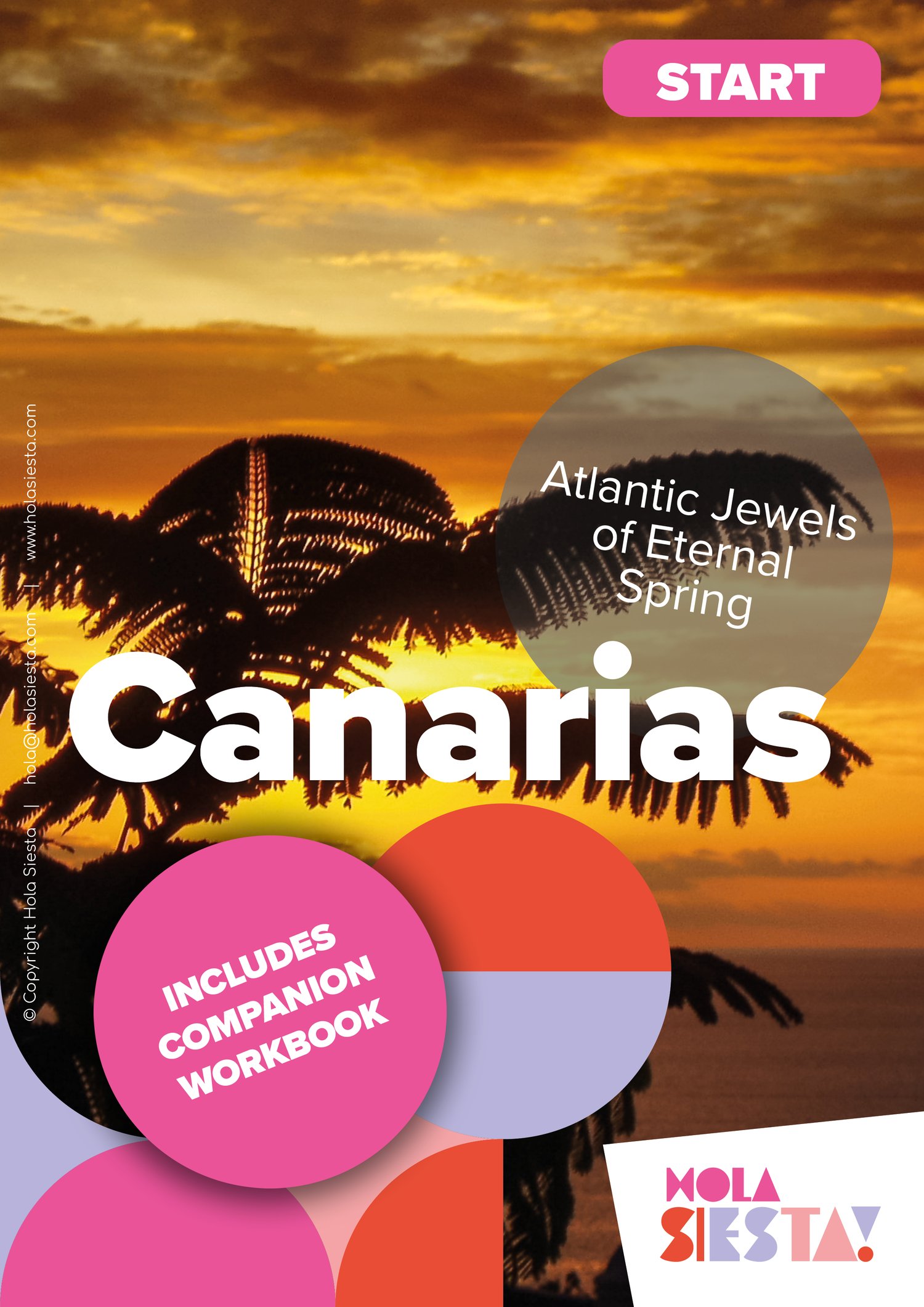
Canarias: Atlantic Jewels of Eternal Spring
Geographically African, politically Spanish, and unlike anywhere else on earth. The Canaries demand a closer look.
The Canary Islands sit off the northwest coast of Africa, closer to Morocco than to Madrid, and yet they are fully, constitutionally Spanish. The result is a place with its own distinct identity — Canarian, not Spanish in the mainland sense — a climate that barely varies across the year, landscapes of volcanic drama, and a cost of living lower than anywhere on the Spanish mainland.
For expats, the archipelago offers something genuinely rare: year-round warmth without the seasonal overcrowding of the Mediterranean coast, a lower VAT rate applying across all islands, and a local population used to outsiders but with a strong sense of its own culture. The question is which island — and which part of which island — since Gran Canaria, Tenerife, Lanzarote, La Palma, La Gomera, El Hierro, and Fuerteventura each offer meaningfully different lives.
Your Free Companion Workbook — Included With This Book
This book includes a free companion workbook — a fillable and printable PDF with reflection prompts, checklists, planning tables, and a personal action plan built around the chapters you’re reading. You'll find the link and a QR code after the Table of Contents.
This book takes you through all of it: the inter-island differences, the Canarian identity and what it means for integration, the practicalities of life in a geographically isolated archipelago, and the social codes that separate the expats who genuinely belong from those who remain indefinitely on the outside.
Inside this book:
- Canarian identity: the distinct culture, the regional pride, and why ‘it’s just like mainland Spain’ is the wrong way to arrive
- Island by island: the honest differences between Tenerife, Gran Canaria, Lanzarote, Fuerteventura, La Palma, La Gomera, and El Hierro
- The fiscal advantage: the IGIC tax regime, lower cost of living, and what the numbers actually mean for expat finances
- Language and accent: Canarian Spanish — distinct, warm, and worth understanding before you arrive
- Community and integration: building genuine local connections in a place accustomed to people passing through
- Geographic isolation: the ferry reality, the flight dependency, and how island life shapes daily logistics
- Healthcare, property, education, and practical living across the archipelago
The Canaries are not a consolation prize for people who couldn’t afford the mainland. They’re a first choice. This book explains why.